One Outfit, Three Fall Events: The Styling Formula That Actually Works

Quick Answer: Build around one neutral base piece with a simple silhouette — a slip dress, a well-cut jumpsuit or trousers with a fitted top. Then change three variables per event: the layer, the shoe and one piece of statement jewelry. Those three changes move an outfit across roughly two levels of formality, which covers almost everything a normal fall calendar throws at you.
The expensive mistake is buying three occasion-specific outfits. The efficient version is one flexible base and a small kit of switches.
What makes a base piece flexible enough to restyle?
Four qualities, and the first one does most of the work.
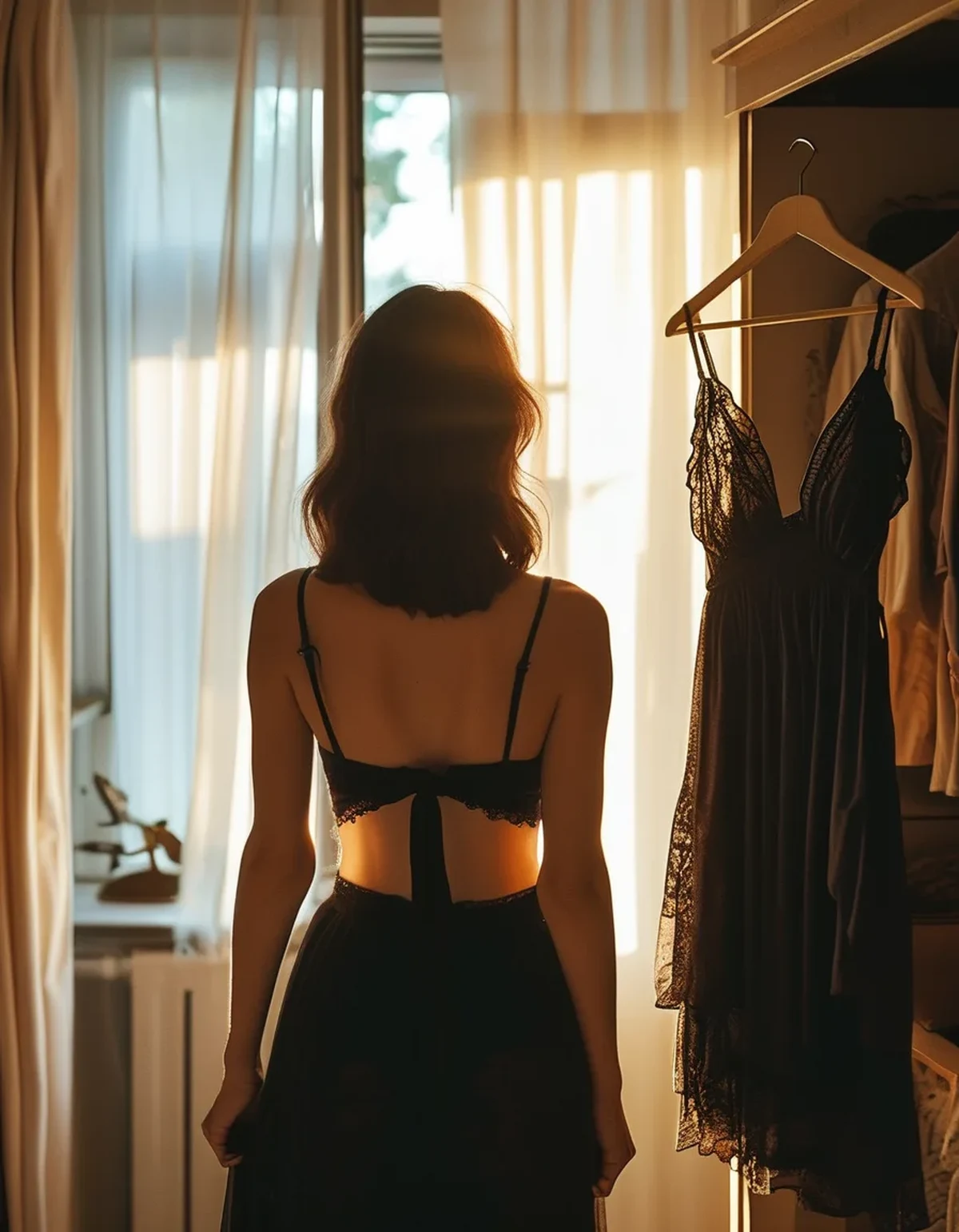
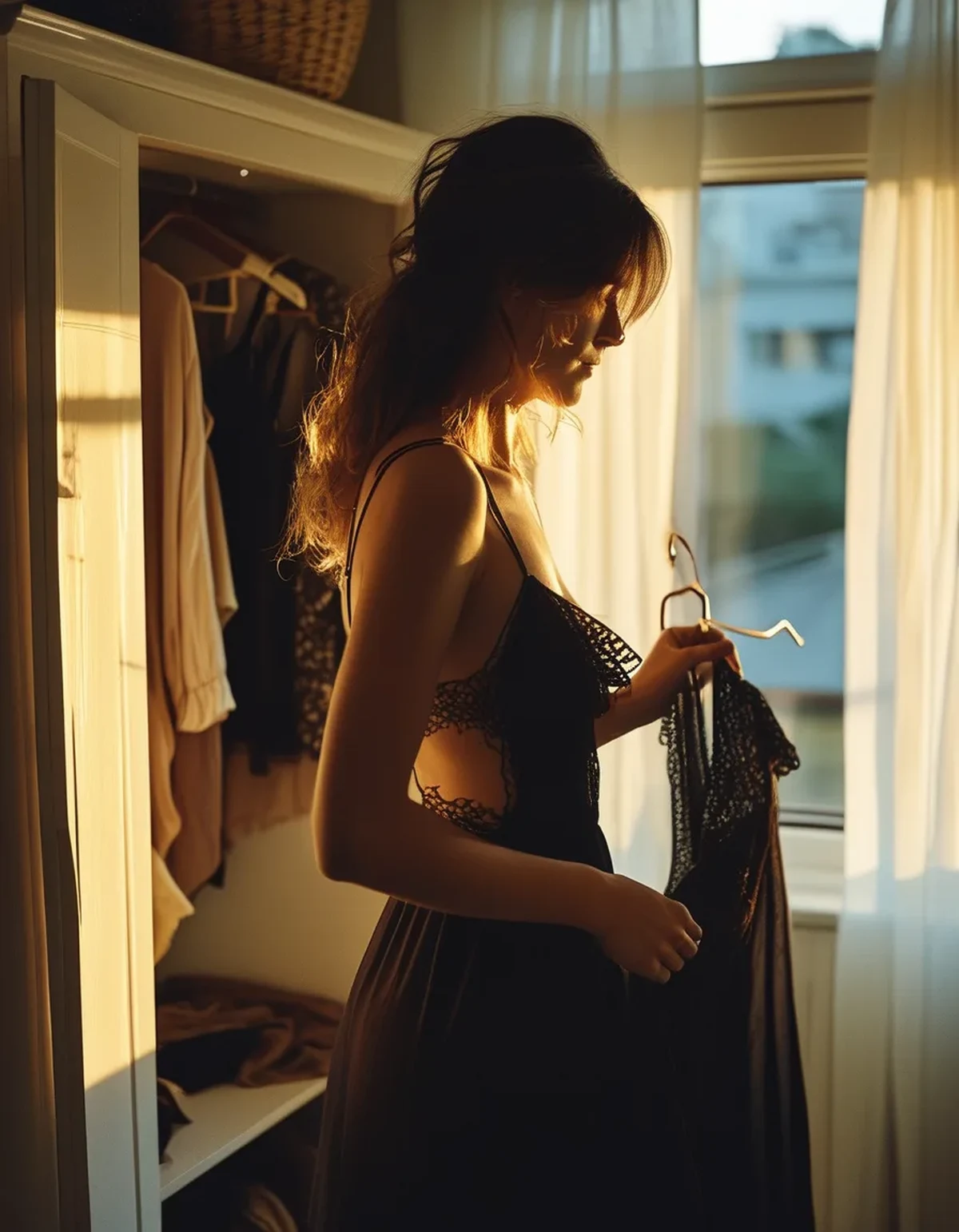
A simple silhouette with no strong occasion signal. A column-shaped slip dress reads as anything you style it as. A dress with a dramatic ruffle, an obvious sequin or a specific neckline reads as one thing forever. The base piece should be quiet.
A neutral or deep color. Black, navy, charcoal, deep olive, chocolate and burgundy all take accessories in almost any direction. A bright color or a print limits what can sit next to it, which is the entire reason it feels harder to restyle.
A fabric with some structure. Fabric that holds its shape reads as more intentional across more contexts. Thin jersey looks casual regardless of what you put with it, which is fine if casual is where you are going and limiting if it is not.
A fit you do not think about. If you spend the evening adjusting it, no amount of styling saves it, and a base piece you are self-conscious in will be quietly retired after one wear.
The most common failure: choosing a base that is already dressy. A base that is inherently formal can be dressed up but barely dressed down, which cuts your usable range in half. Start neutral and build up rather than starting high and trying to subtract.
How do the three switches actually change the formality?
Each one moves the outfit roughly half a level, and together they move it two.
The layer does the most. A soft cardigan over a slip dress reads casual dinner. A structured blazer over the same dress reads work function. A cropped leather or suede jacket reads friend’s birthday. Nothing else about the outfit changed, and the read is completely different in each case.
The shoe sets the register. Clean white sneakers, a loafer, an ankle boot and a heel each place the outfit in a different context. This is also the fastest way to make a dressy base wearable — a formal dress with a flat boot reads considerably more relaxed and much more current than the same dress with a stiletto.
Jewelry adds the intent. One statement piece — a bold earring, a substantial necklace, a stack of cuffs — signals that the outfit was assembled rather than thrown on. One piece, not three. Competing statement items cancel each other out and read busy.
A fourth variable worth knowing about: the bag. A structured small bag dresses up, a soft slouchy one dresses down, and a crossbody reads casual regardless of what it costs.
A practical way to plan it: lay the base out on the bed and photograph it three times with the three different sets. Ten minutes, and you have three outfits documented so you are not reconstructing them at 6pm on a Thursday.
What Nobody Tells You About Restyling One Piece
People genuinely do not notice repeat wears the way you think they do. Different layers, different shoes and different jewelry read as different outfits to nearly everyone who is not looking at a photo of both side by side. The self-consciousness about repeating is almost entirely internal.
Photos are the exception, and only if the same people are in them. If two events will produce photos that end up in the same feed for the same audience, change more than the accessories — swap the base piece too, or change the color story substantially.
Fall is the easiest season for this by a wide margin. Layering is expected, so a layer change does not read as improvised the way it might in July. And the temperature swing between an outdoor arrival and a warm indoor venue means a removable layer is functional rather than decorative.
The base piece gets better with wear, if it is the right fabric. Wool, silk, good knit and structured cotton settle into your body over time. This is an argument for buying one considered base rather than three cheaper occasion pieces, and it is the entire economic case for this approach.
And the thing that trips people up: the switches need to actually exist before the week of the events. A styling formula with no blazer in the closet is not a formula, it is a plan. Buy or borrow the layers first, then the outfits assemble themselves.
How do you handle the temperature gap at fall events?
By treating the layer as functional first and stylistic second.
The specific problem in September and October: you arrive somewhere at 6pm when it is 68°F and leave at 11pm when it is 52°F, and the venue itself is either overheated or air-conditioned to summer settings. One outfit has to work across a 20-degree range plus two indoor climates.
What solves it:
- A layer you are happy to be seen carrying. If the jacket only works while worn, you will be too warm indoors all night. A blazer draped over an arm or a coat that looks good on the back of a chair does not create that problem.
- A base piece with sleeves, or a base you can add sleeves to. Sleeveless plus a layer is more flexible than a heavy long-sleeve base, because you can subtract.
- Tights as an adjustable variable. Sheer tights add several degrees of warmth and change the formality of a dress at the same time. Opaque ones do more of both.
Fabric matters more than thickness here. Wool regulates temperature far better than an equivalently thick synthetic, which is why a thin merino layer often outperforms a bulky polyester one across a whole evening.
One thing to check before the event: whether it is indoors or partly outdoors. Fall weddings and birthday dinners increasingly involve a patio or a heated outdoor section, and that changes shoe choice — a heel that is fine on a wood floor is not fine on grass or gravel.
FAQ: One-Outfit Styling Questions, Answered
What if the events have genuinely different dress codes?
Three switches move you about two levels, which covers casual to smart-casual to cocktail. It will not stretch from a backyard barbecue to black tie. If your calendar spans that much range, you need two bases, not three outfits.
How do I stop the outfit looking like the same thing every time to myself?
Change one more variable than you think you need to — add a belt, change the way the top is tucked, or wear your hair differently. The feeling of repetition usually comes from an identical silhouette rather than an identical garment.
Is a jumpsuit really as flexible as a dress?
Often more so, because it reads as less inherently occasion-specific. The practical caveat is the bathroom situation at a long event, which is a genuine consideration and one people only think about once.
What is the single best first purchase for this system?
A well-cut blazer in a neutral that fits your shoulders properly. It is the layer that moves the most outfits the furthest, and shoulder fit is the one thing tailoring cannot easily fix afterwards.
TL;DR:
- Choose a quiet base: simple silhouette, neutral or deep color, fabric with structure, fit you forget about.
- Change three things per event — layer, shoe, one statement jewelry piece.
- The layer moves formality most; the shoe sets the register; jewelry signals intent.
- Fall’s temperature swing means the layer must look good carried, not just worn.
- Photograph each combination in advance so you are not rebuilding it the night of.
One base and a small kit of switches covers a full fall calendar. Three occasion outfits covers three occasions and then sits in the closet.
Keep Reading
This article is for general informational and styling purposes only. Fit, sizing, and product availability may vary.